

What matters most when deciding between natural stone and engineered surfaces? Is it the look of natural stone slabs, the low maintenance of engineered quartz, or the long-term value each material brings to your home? How do color and pattern play into your choice, and what should you expect as each surface ages?
At Cutting Edge Countertops, we answer these questions every day to help homeowners find the right stone and make the right choice for their home.
What should you know before choosing the right stone for your home
The goal is not to overwhelm you with technical details. It is to give you the clarity you need before you make a long-term investment in your home.
How do natural stone and engineered surfaces form the foundation of your design
Most people compare a slab of granite or marble to a quartz surface, the same way they compare paint colors. They focus on the pattern and the tone. The real difference shows up after installation when daily habits take over. Natural stone may shift slightly in appearance with regular use, while engineered stone is often chosen for its consistency.
This is why the decision should be based on lifestyle, expectations, and the amount of maintenance you are comfortable with. Understanding that early on saves you from choosing a surface that looks great in the showroom but does not fit the rhythm of your home.
What makes each material group unique before you compare them side by side
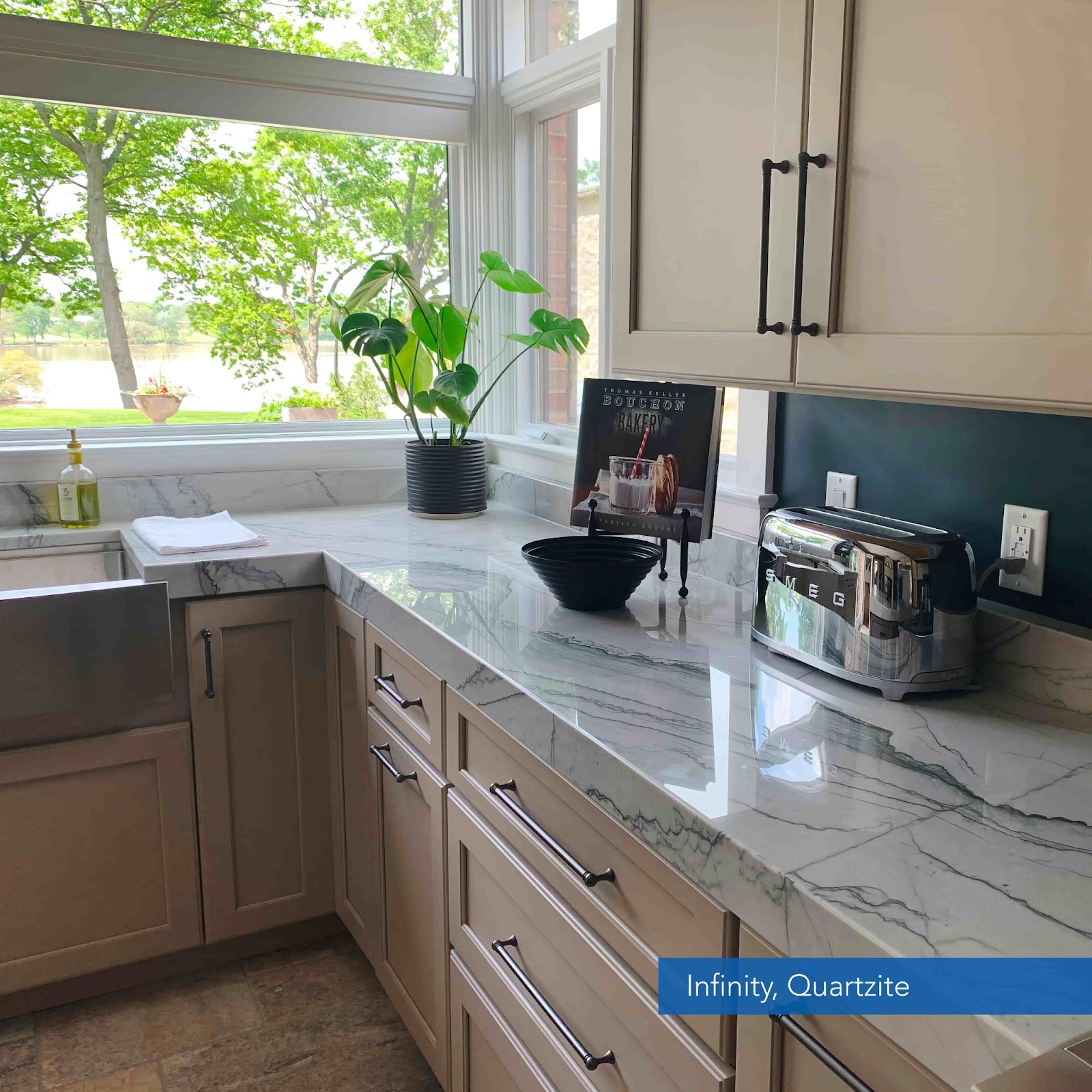
Natural stone countertops come from *solid natural stone slabs taken directly from the earth*. Each piece carries its own movement, veining, and color variation. Many natural stone options, like granite or marble, show patterns that cannot be replicated, which is part of the appeal of natural stone.
Engineered surfaces, including engineered quartz, are made from crushed natural stone bound together for controlled color and pattern. These engineered stone surfaces can mimic the look of natural stone while offering more predictable results.
Seeing these differences clearly helps you understand how each material group will support your design before you begin comparing them point by point.
How do natural stone and engineered surfaces compare in daily life
Thinking about natural stone vs engineered surfaces is easier when you look at how each one behaves in real spaces, not just in a showroom. Natural stone offers individuality while engineered stone delivers control and consistency.
How do color and pattern differ between natural and engineered stone
Natural stone surfaces come straight from the earth, so every slab carries its own veining and movement. Many natural stone options, like granite or marble, feel alive because no two pieces match. That individuality is part of the appeal of natural stone.
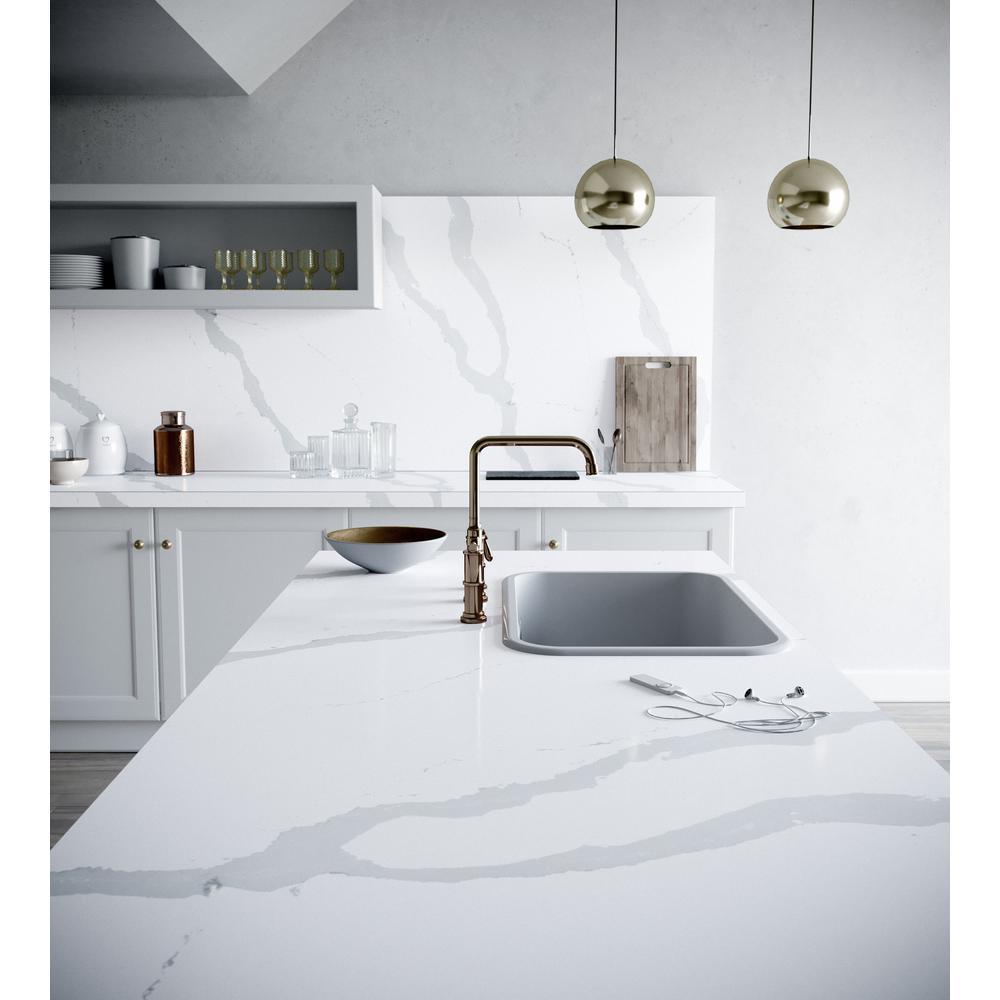
Engineered stone offers a different advantage. Because the pattern is designed, it stays consistent from slab to slab. Engineered quartz can mimic the look of natural stone, even marble, but with fewer surprises. This helps homeowners who want a steady, predictable color and pattern.
What should homeowners expect from durability and aging
Durability is not the same across these materials. Natural stone may include small pits or fissures that form naturally. These characteristics do not weaken the stone. They simply remind you that you are working with real, solid natural stone slabs.
Natural stone may also show temporary darkening or slight color changes when exposed to water. Engineered stone often avoids this because it is made from crushed natural stone blended with resins for stability. Both materials hold up well, but they age differently, and knowing that upfront helps set the right expectations.
How does maintenance differ, and why does it matter?
Maintenance tends to be the deciding factor for many households. Natural stone requires sealing and simple routine care. Homeowners who appreciate natural materials usually see this as part of the experience.
Engineered stone is often chosen because it asks less of you. It does not require sealing and typically stays consistent even with heavy daily use. Neither option is difficult to care for, but the level of attention you prefer may help you lean one way or the other.
How do cost and long-term value compare?
Both natural and engineered materials can be strong investments. Natural stone delivers a one-of-a-kind look that often elevates a home’s overall feel. Engineered stone offers predictable performance and visual consistency, which many homeowners value just as highly.
Cost varies within each group. What matters more is how the material supports your lifestyle and how well it maintains its appearance over time.
Which material aligns best with your style and routine
Think about how your home runs. A busy parent who wants something simple and steady may prefer engineered surfaces. Someone who loves the natural beauty and individuality of real stone may choose marble or granite, even if it means sealing and embracing natural variation.
Both paths lead to a beautiful space. The best choice is the one that feels right for how you cook, clean, and live each day.
What questions should you ask yourself as you compare stone types
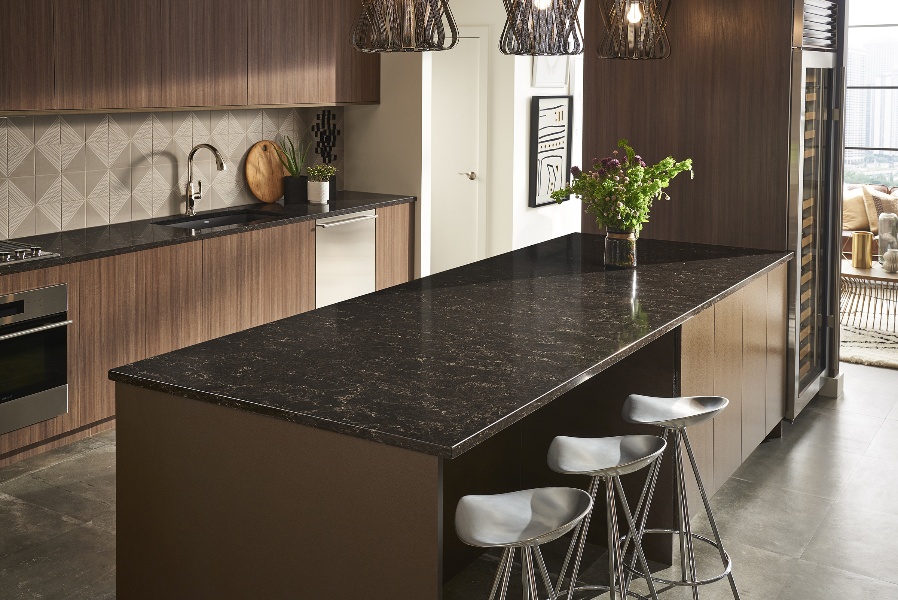
Choosing the right stone becomes easier when you break the decision into a few simple questions. Think about how your space works every day and what you want your countertops to do for you.
Ask yourself:
- How does my kitchen or bathroom function on a busy day: Do I want a surface that stays consistent and low maintenance, or do I enjoy the natural variation that comes with real stone
- How do I feel about natural movement and unique patterns: Do bold veining and one-of-a-kind slabs appeal to me, or do I prefer a clean, steady pattern
- How much routine care am I comfortable with: Natural stone may need sealing and awareness of its natural characteristics. Engineered surfaces usually fit a low-maintenance lifestyle.
- What design style am I aiming for: Do I want the organic look natural stone offers or the predictable finish engineered stone provides
- What matters most in the long run: Is the priority individuality, simplicity, or a balance of both
These questions help anchor your decision as you compare natural and engineered stone options, guiding you toward the right stone for your home and your routine.
Ready to find the right stone for your home
Seeing your options in person is the best way to know which surface truly fits your space. Visit a Cutting Edge Countertops showroom to compare natural and engineered stone up close, review full slabs, and talk with a team that understands how to guide you through the process.
When you are ready to move forward, we will help you choose the right stone and create a countertop that supports your style and your everyday routine.
FAQs about natural stone and engineered surfaces
Is engineered stone a good option for busy kitchens
Yes. Engineered stone is often chosen for busy kitchens because it delivers consistent color, low maintenance and reliable day-to-day performance. It can be a strong fit if you want a surface that stays predictable with heavy use.
What types of natural stone options are best for bathrooms
Many natural stone options, like granite or marble, can work well in bathrooms if properly sealed and maintained. Natural stone surfaces bring unique beauty to smaller spaces, but homeowners should expect some variation and natural characteristics.
Do quartz countertops mimic the look of natural stone
Quartz countertops can mimic the look of natural stone, including marble-inspired veining. While the pattern is more controlled, engineered stone offers a similar visual style with fewer natural variations.
How often does natural stone require sealing
Natural stone may need sealing once a year or as recommended by the fabricator. Sealing helps protect the surface and supports the long-term look of the material, especially in high-use areas.
How do natural and engineered stone vary in long-term performance
Natural stone delivers a unique look that evolves slightly with normal use. Engineered stone offers more predictable performance with fewer visual changes over time. Both can last for years when cared for properly, but they age differently.
What should I know about pits, fissures, and natural variation
Pits and fissures are normal in solid natural stone slabs. These characteristics form naturally and do not affect the stone’s strength. Homeowners should expect some variation from slab to slab, which is part of the appeal of natural stone.
Is natural stone or engineered stone the right choice for my home
The right choice depends on your lifestyle, design preferences, and comfort with maintenance. Natural stone offers individuality and movement. Engineered stone provides consistency and simplicity. Seeing both materials in person helps you find the right stone with confidence.