

Choosing new countertops often means balancing more than style alone. Many homeowners want a surface that looks right in the kitchen and reflects their values, too. Eco-friendly countertop materials can support that goal, but sustainability can mean different things, from recycled content to durability and long-term performance.
The right choice also depends on daily use, maintenance, budget, and design preferences. In this guide, we’ll walk through common sustainable countertop options and what homeowners should know before making an investment.
What Makes a Countertop Material Eco-Friendly?
An eco-friendly countertop material does more than include recycled content. It should also support long-term performance, thoughtful sourcing and lower waste over time. In many homes, sustainability comes down to choosing a countertop that fits your lifestyle, holds up well and does not need to be replaced sooner than expected.
Sustainability Means More Than Recycled Content
A countertop may be considered eco-friendly if it is made with recycled material, but that is only one part of the story. Durability matters too. A surface that performs well for years can help reduce replacement frequency and keep more material out of the landfill.
Responsible sourcing also plays a role. Some sustainable countertop materials use renewable resources, reclaimed material or manufacturing practices designed to reduce waste.
When you look at the full picture, sustainability becomes less about one label and more about how the material is made, used and maintained over time.
Factors Homeowners Should Look At
When comparing eco-friendly countertop materials, it helps to consider:
- Recycled content
- Renewable or reclaimed sources
- Durability over time
- Maintenance requirements
- Indoor air quality considerations
- Waste generated during manufacturing and installation
- Whether the material fits your daily routine and long-term needs
Eco-friendly countertop materials are options that reduce environmental impact through recycled content, responsible sourcing, durability or lower long-term waste.
Popular Sustainable Countertop Materials Offered by Cutting Edge Countertops
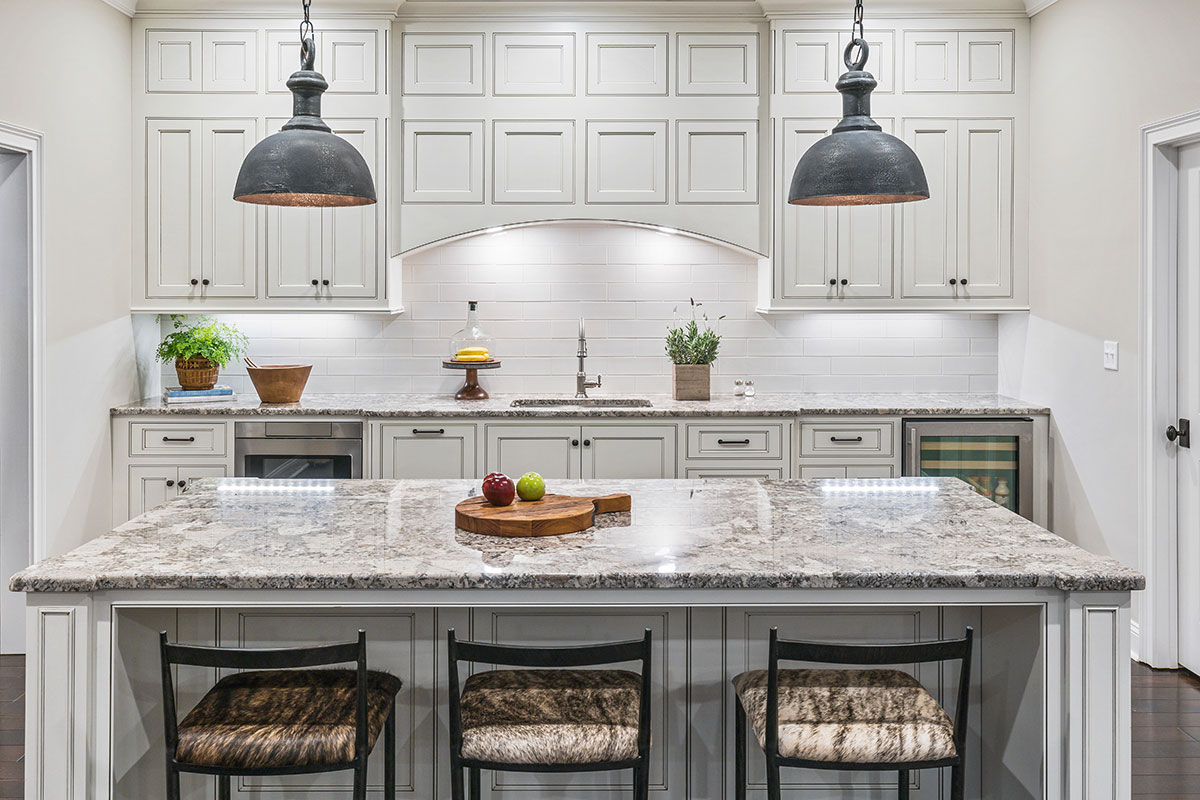
Homeowners exploring sustainable countertop materials often find that the best option is not simply the one with the most recycled content. In many cases, sustainability also comes down to durability, long-term performance and choosing a surface that will continue to work well in the home for years.
At Cutting Edge Countertops, that conversation often centers on quartz and natural stone countertops, which can support a more thoughtful, long-term investment when matched to the right lifestyle and design goals.
Quartz Countertops
Quartz is an engineered countertop material designed for durability and everyday living. Many homeowners view quartz as a practical, sustainable option because it is long-lasting, generally easy to maintain and well-suited to busy kitchens. It offers design flexibility across a wide range of colors, patterns and styles, which can also help homeowners choose a look they will be happy with for the long term.
Sustainability can vary based on the brand and manufacturing process, so it is important to look beyond labels alone. When evaluating quartz countertops, homeowners should consider how well the material will hold up to daily use, how much maintenance it requires and whether it fits the way they actually live.
Granite Countertops
Granite is a natural stone countertop often chosen for durability, natural beauty and long-term value. Its long lifespan can support sustainability by reducing the need for replacement over time, especially in kitchens that see regular use. For many homeowners, granite offers the benefit of a surface that feels timeless rather than trend-driven.
Each slab is unique, with natural movement, variation and depth that cannot be replicated exactly. Granite does require sealing, and homeowners should go into the decision with realistic maintenance expectations. Some slabs may also include pits, fissures or noticeable pattern variation, which are natural characteristics of the stone.
Marble Countertops
Marble is known for its timeless appeal and distinctive veining. For homeowners who value classic design and are thinking long term, marble can support a more sustainable approach to material selection because it often remains desirable well beyond changing design trends.
That said, marble requires sealing and thoughtful care. It is important to understand the material honestly before choosing it. Variation, softness and everyday wear are all part of marble’s reality, and homeowners should be comfortable with that lived-in character over time.
Quartzite Countertops
Quartzite is a natural stone countertop valued for both durability and dramatic natural beauty. It can be a strong option for homeowners who want a distinctive surface with long-term performance in mind. Like other natural stone materials, quartzite offers slab-to-slab variation that helps create a finished space with one-of-a-kind character.
Quartzite requires sealing, and its natural features should be explained clearly during the selection process. Movement, variation and occasional fissures are part of what make the material unique, but they are also important for homeowners to understand before making their choice.
Soapstone Countertops
Soapstone appeals to homeowners who want a natural stone surface with a softer, more organic appearance. It may be considered a sustainable option because of its longevity and timeless character, especially for those who appreciate materials that develop personality over time.
Soapstone has different care expectations than granite, marble or quartzite, so it helps to understand how it will age and what routine care may involve. This material is often best suited to homeowners who enjoy natural patina and prefer a surface that feels relaxed, warm and lived in.
Why Longevity Matters in Sustainable Countertop Selection
Longevity matters in sustainability because a countertop is not just a finish choice. It is a building material that affects how often resources are used over time. When a countertop performs well and stays in the home for many years, it can reduce replacement frequency, limit landfill waste and cut down on the materials, energy and labor involved in manufacturing, fabricating and installing a new surface.
That is why sustainability is about more than recycled content alone. A countertop that needs to be replaced sooner may not be the most responsible long-term choice, even if it sounds eco-friendly on paper.
Quartz and natural stone countertops can support sustainability when homeowners choose a material that fits their lifestyle, maintenance expectations and long-term design goals. In many cases, the best sustainable countertop is the one that balances durability, realistic care and lasting appeal.
The Pros and Cons of Eco-Friendly Countertops
Eco-friendly countertops can be a smart choice for homeowners who want to make thoughtful decisions about their kitchen or bathroom. Still, no countertop material is perfect for every home. The most helpful way to look at sustainable options is to weigh the benefits against the practical tradeoffs, then choose the surface that fits your routine, design goals and long-term expectations.
Benefits of Eco-Friendly Countertop Materials
Eco-friendly countertop materials can offer several advantages, especially when sustainability is viewed as part of a bigger investment in the home.
- They can help reduce environmental impact through durability, responsible sourcing or recycled content
- Some options may incorporate reclaimed or recycled materials
- They often support a more intentional, long-term design approach rather than a short-term trend decision
- Many sustainable countertop options are both beautiful and durable
- They can align well with green building goals and thoughtful home updates
For many homeowners, one of the biggest benefits is that sustainable thinking often leads to better decision-making overall. It encourages a closer look at how a countertop will perform, how long it may last and whether it truly fits the way the space is used every day.
Tradeoffs Homeowners Should Understand
“Cons” may not always be the best word, but there are realistic tradeoffs to consider. That is true with any countertop decision, and acknowledging them helps you make a more confident choice.
- Some materials require more maintenance than others
- Sustainability claims can vary widely by manufacturer and product
- Not every eco-friendly option is the right fit for every kitchen or bathroom
- Pricing can vary depending on material availability, fabrication needs and installation details
A countertop may sound sustainable on paper, but that does not automatically make it the best option for a busy household. For example, one material may offer recycled content, while another may offer greater long-term durability. One homeowner may prioritize low daily maintenance, while another may care most about natural character or a timeless look. Those differences matter.
How to Choose the Right Sustainable Countertop for Your Kitchen
Choosing a sustainable countertop is about more than finding a material that sounds eco-friendly. The better question is whether the surface fits the way you live, the look you want and the level of care you are comfortable with over time. For most homeowners, the right choice comes from balancing everyday function with long-term value.
Start With How You Use Your Kitchen
A kitchen that sees daily cooking, after-school homework and weekend entertaining will have different needs than a lower-use bar area or secondary space. That is why it helps to begin with real life, not just material labels.
If your kitchen is one of the busiest rooms in the house, durability and easy upkeep may matter most. If the space is used more occasionally, you may have more flexibility to prioritize a specific look or feel. The more honest you are about how the room functions, the easier it becomes to narrow down the right countertop options.
Be Honest About Maintenance
Every countertop material comes with its own care expectations, and sustainability should still make sense for your routine. Quartz might appeal to you if you want a surface that is generally easy to maintain and well-suited to everyday use. Natural stone requires sealing and a clear understanding of ongoing care.
The best sustainable choice is not just one that looks good in the showroom. It is one that fits your tolerance for maintenance once the countertop becomes part of daily life. When care expectations match the homeowner, the material is more likely to remain a successful long-term investment.
Think About Lifespan, Not Just First Impressions
A countertop that stays functional and attractive for years can support sustainability in a meaningful way. Long-term performance matters because replacing a countertop takes additional material, labor and resources. Choosing a surface that holds up well can help reduce that cycle.
It is also worth thinking beyond what feels current in the moment. Trend-driven choices can lose appeal more quickly, while materials with lasting style and strong performance often make more sense over time. In many homes, sustainability and longevity go hand in hand.
Consider Your Design Goals
Some homeowners want a subtle, timeless look that will age well with the rest of the home. Others want their countertops to make more of a visual statement. Either way, the right material should work with your cabinetry, flooring and overall kitchen style rather than feeling disconnected from the space.
Design also affects long-term satisfaction. A countertop that fits your broader vision is less likely to feel dated or out of place a few years down the road. That is part of what makes the selection process so important.
Ask About the Product Behind the Surface
Not all sustainable claims mean the same thing, so it helps to look deeper into the product itself. Homeowners should ask about source transparency, recycled content, manufacturing considerations, finish options and care requirements.
Those details can give better context for how a countertop fits both your values and your practical needs. A thoughtful decision is usually not based on one feature alone. It comes from understanding how the material is made, how it performs and how it will work in your home over time.
Final Thoughts on Choosing Eco-Friendly Countertops
There are several eco-friendly countertop options available today, but the right choice depends on more than one feature. A sustainable countertop should make sense for how you live, the look you want and the level of maintenance you are comfortable with over time. That is why choosing eco-friendly materials is often less about finding a perfect label and more about making a thoughtful, informed decision.
For many homeowners, quartz and natural stone stand out because they combine lasting appeal with strong everyday performance. Sustainability should be viewed through both environmental impact and durability, since a countertop that stays beautiful and functional for years can be a smart long-term investment.
Explore countertop materials with a Design Consultant and find a surface that fits your home, your style and your long-term goals.
FAQ About Eco-Friendly Countertop Materials
What is the most eco-friendly countertop material?
There is no single answer for every home. The most eco-friendly countertop material depends on what matters most to you, whether that is durability, responsible sourcing, lower maintenance or long-term performance. When choosing an eco-friendly countertop, it helps to look at how the material fits your kitchen, your routine and your plans for the space over time.
Are quartz countertops eco-friendly?
Quartz countertops can be part of a sustainable kitchen because they are durable, generally easy to maintain and designed for everyday use. Sustainability can vary by manufacturer and by how countertops are made, so it is worth asking about the specific product, its manufacturing process and the materials available today. For many homeowners, quartz countertops offer a practical balance of performance, style and long-term value.
Is natural stone a sustainable countertop option?
Natural stone can be a sustainable material for homeowners who value longevity and timeless design. Granite, marble, quartzite and soapstone can all support a long-term investment when they fit the home and are cared for properly. Like natural stone, every slab has variation, and natural stone requires sealing, so it is important to balance beauty with realistic care expectations.
What should I consider when choosing an eco-friendly countertop?
Start with durability, maintenance, appearance and how you use your kitchen countertops every day. Some homeowners want a surface that is easy to maintain, while others are more focused on natural character or a specific design style. The right eco-friendly choice should support your lifestyle, your design goals and your long-term expectations for the counter.
Are sustainable countertops always made from recycled materials?
Not always. Some eco-friendly countertop options are made from recycled materials, but recycled content is only one part of the decision. Sustainable countertops can also come from long-lasting materials that help reduce replacement over time, which can lower waste and support a more sustainable future.