

Can you put hot pans on quartz countertops? The short answer is no, and understanding why helps you protect your investment long term. Quartz is one of the most practical countertop materials available: non-porous, consistent in color and simple to keep clean.
But the resin binders that give engineered quartz its durability don’t respond well to concentrated heat. That’s the one detail that catches homeowners off guard. This guide covers what actually happens when heat meets quartz, which habits prevent damage, and how to decide whether quartz is still the right fit for your kitchen.
The Short Answer: Can You Put Hot Pans on Quartz?
No. Quartz countertops should never have hot pans, baking sheets or heat-producing appliances placed directly on the surface.
Quartz is an engineered stone made from crushed quartz crystals and polymer resin binders. Those resins are the weak point. At temperatures above roughly 300°F (150°C), the resin can break down, and a pan pulled from a hot oven or burner can easily exceed that threshold.
The damage that follows is usually permanent. Direct heat contact can cause:
- White scorch marks or a hazy discoloration that won’t clean off
- Surface warping or bubbling where the resin has degraded
- Cracking from thermal shock, particularly when a hot object meets a cooler slab
No sealant or cleaning product reverses this. Prevention is the only fix.
How to Protect Quartz Countertops in Real Life
The good news is that protecting quartz from heat damage doesn’t require major adjustments. One habit covers most of the risk.
Use Trivets and Hot Pads (Every Time)
A trivet or heat-resistant pad between a hot pan and your quartz countertop is all the protection the surface needs. This isn’t an occasional precaution. It’s the baseline rule.
Keep a trivet near the stove and one near the oven. If it came off a burner or out of the oven, it goes on the trivet. That single habit eliminates the most common source of heat damage before it starts.
Silicone trivets, cork pads and thick cloth pot holders all work. The goal is simply to break direct contact between a hot surface and the quartz.
Watch the Appliances Too
Stovetop pans get most of the attention, but countertop appliances are just as likely to cause problems. Slow cookers, toaster ovens, air fryers and electric griddles can run hot on their undersides for extended periods, sometimes without the homeowner realizing it.
If an appliance generates heat at its base, it needs a protective pad or a purpose-built appliance mat underneath it. This is especially worth noting for appliances that run for long stretches, like a slow cooker going through a full cook cycle.
Build It Into the Routine
Quartz countertop care doesn’t need to be complicated. The habits that protect the surface are the same ones that make a kitchen run smoothly anyway: use trivets, keep hot appliances on pads, and don’t let anything that just came out of the oven sit directly on the stone.
Once it’s part of the routine, it stops feeling like maintenance and just becomes how the kitchen works.
Quartz Maintenance Beyond Hot Pans
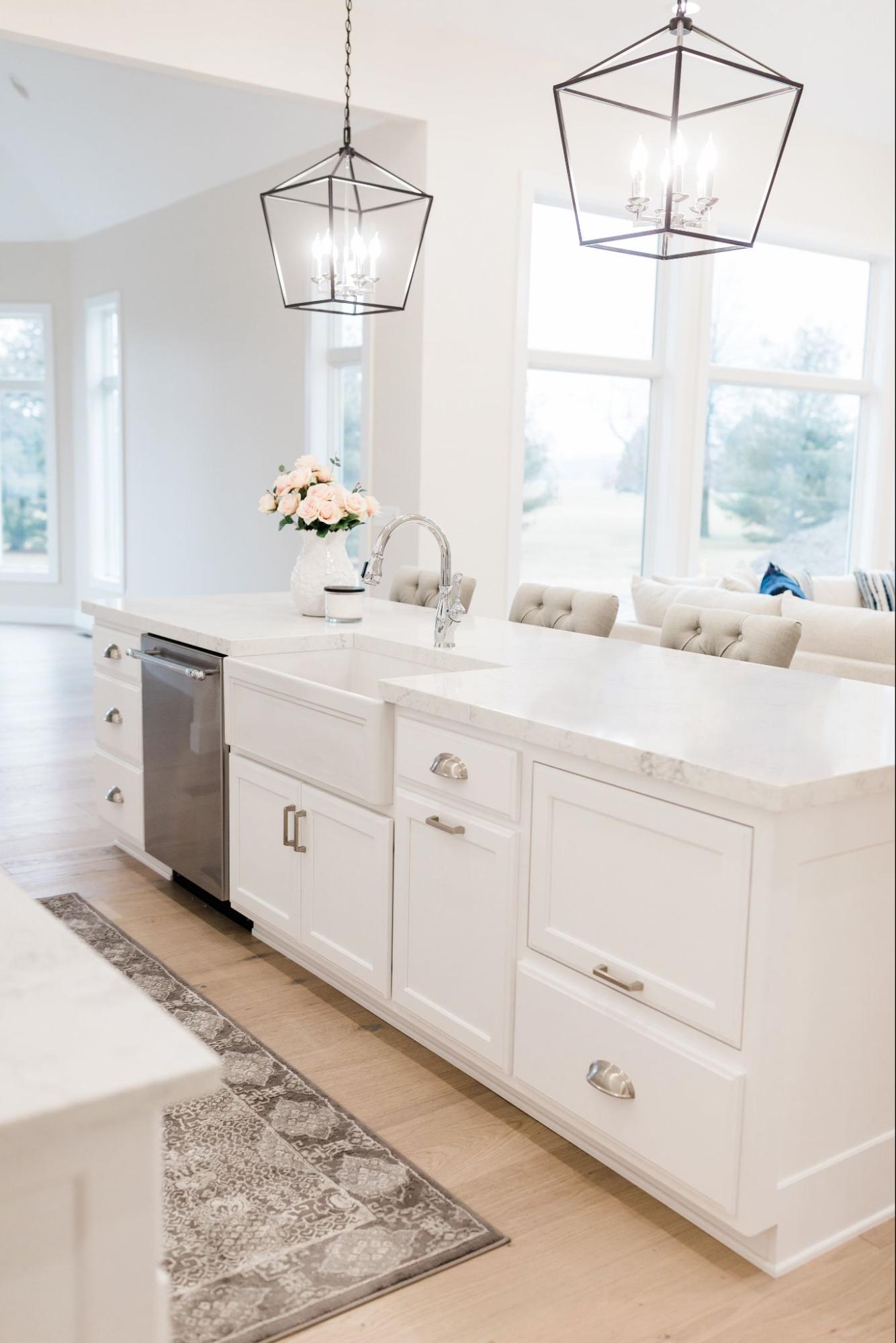
Heat gets most of the attention, but day-to-day care is what keeps quartz countertops looking sharp long term. The maintenance routine is straightforward.
Best Daily Cleaning Habits
Warm water and a small amount of dish soap is all most quartz surfaces need for daily cleaning. Wipe down the countertop after cooking, dry it with a soft cloth and move on.
For stuck-on food or residue, a damp cloth with a little pressure usually handles it. If something has dried on the surface, a plastic scraper or non-abrasive pad loosens it without scratching.
What Cleaners to Avoid
Quartz is durable, but certain products work against it. The following should stay off the surface:
- Bleach and bleach-based sprays, which can break down the resin binders over time
- Abrasive scrubbing pads or powders that scratch the surface finish
- High-pH alkaline cleaners, which can dull or etch the surface
- Paint removers, acetone or harsh solvents
When in doubt, mild and non-abrasive is always the safer call. Products specifically labeled safe for engineered stone countertops are a reliable choice.
How to Handle Spills, Marks and Common Wear
Quartz is non-porous, which means spills sit on the surface rather than absorbing into it. That makes cleanup forgiving as long as spills are addressed reasonably promptly. Acidic liquids like wine, coffee or citrus juice won’t etch quartz the way they can damage marble or unsealed natural stone.
For stubborn marks, a small amount of isopropyl alcohol on a soft cloth usually does the job. For dried grease, a mild degreaser safe for stone surfaces works well.
What Quartz Is Great At and Where It Has Limits
Quartz countertops hold their finish well, resist everyday staining and don’t require sealing. For the vast majority of kitchen activity — prep work, spills, daily cleaning — the surface performs reliably without much thought.
The limits are specific: direct heat, heavy impact on edges and prolonged exposure to strong UV light, which can cause color shift in surfaces near windows or in outdoor settings. Know those limits going in, and quartz rarely surprises.
Is Quartz Still a Smart Choice for Kitchens?
For most households, yes. The heat limitation is real, but it’s also manageable, and it’s one tradeoff against a surface that delivers consistently in almost every other area.
Quartz works best for homeowners who want:
- A low-maintenance surface that doesn’t require sealing or intensive upkeep
- Consistent color and pattern without the natural variation of stone
- Strong stain and scratch resistance for a busy kitchen
- A polished look that holds up across years of daily use
A trivet on the counter takes care of the heat question entirely. The rest of the list takes care of itself.
When another material may be worth a closer look:
If high heat is a consistent part of how you cook, regularly pulling heavy pans straight from the oven or running appliances directly on the counter, granite or quartzite may be a better fit. Both are natural stones with higher thermal tolerance and handle direct heat contact more forgivingly than engineered quartz.
That’s not a reason to rule out quartz. It’s a reason to have an honest conversation about how you actually use your kitchen before committing to a material. The right countertop isn’t the most popular one. It’s the one that fits how you cook, clean and live in the space.
Frequently Asked Questions About Quartz and Heat
Will one hot pan ruin quartz countertops?
Not always, but the risk is real. A single brief contact may leave no visible damage, or it may leave a permanent scorch mark depending on the temperature and how long the pan sits. Because most quartz heat damage can’t be reversed, the trivet habit matters from day one rather than after the first incident.
Do quartz countertops crack from heat?
They can. Rapid or extreme temperature changes can cause thermal shock, which puts stress on the resin binders and can result in cracking or surface separation. This is more likely with prolonged or repeated heat exposure than from a single brief contact, but it’s not a risk worth testing.
What’s the safest way to protect quartz from heat?
A trivet or heat-resistant pad under anything hot. That includes pans, baking dishes, slow cookers and toaster ovens. It’s a simple habit that eliminates most of the risk entirely.
Is granite better than quartz for hot pans?
For direct heat tolerance, yes. Granite is a natural stone with no resin content, which makes it more resistant to heat damage. If high-heat cooking is a regular part of your kitchen routine, granite or quartzite are worth comparing against quartz before you decide.
What should I use to clean quartz countertops? Warm water and mild dish soap handle everyday cleaning. Avoid bleach, abrasive scrubbers and harsh chemical solvents. For stubborn spots, isopropyl alcohol on a soft cloth works well without damaging the surface finish.
Ready to Find the Right Countertop for Your Kitchen?
Quartz is a smart fit for a lot of kitchens, easy to care for, reliable day to day and built to hold its look over time. Like any material, it performs best when you understand how to work with it.
If you’re weighing quartz against other options or want to see how different surfaces hold up in person, your Design Consultant can help you compare materials based on how you actually cook and live. No pressure, just honest guidance.
Visit one of our showrooms, explore your options, and leave with a clearer picture of what works for your space.