

Installing new countertops is one of the final steps in a kitchen remodel, and it often feels like the moment everything comes together. Because countertops are such a central part of your kitchen’s look and functionality, any delay in countertop installation can affect your entire schedule.
The good news is that most common countertop installation delays are preventable. When you understand the installation process, common mistakes and what can cause setbacks, you can make informed decisions that help keep your countertop project moving forward smoothly.
What Can Cause Countertop Installation Delays?
While most countertop installations move forward as planned, certain factors can affect scheduling. Some are related to site readiness, others involve material coordination or fabrication timing. Understanding them upfront helps you plan with confidence.
Common causes of countertop installation delays include:
- Cabinets not fully installed, secured or leveled
- Layout changes after the final template is completed
- Sink or cooktop selections changed during fabrication
- Appliance specifications not finalized before measurement
- Material or slab selection not confirmed
- Digital layout approvals delayed for heavily veined materials
- Structural inconsistencies such as uneven walls or base cabinets
- Overhang support not installed prior to installation day
These situations are typically avoidable with early coordination and clear communication. In the next section, we’ll walk through the key steps that help keep your countertop installation on schedule.
What Helps Keep Countertop Installation on Schedule

Countertop installation is a precise process. When a few key elements are aligned before fabrication and installation begin, your project is far more likely to move forward smoothly.
Below are the most important factors that protect your timeline.
Accurate Measurements and Templating
A countertop template guides how your slab is cut, shaped and finished during fabrication. Because countertops are fabricated to exact dimensions, the template must reflect the final condition of your space.
Measurements are taken after base cabinets are fully installed and secured. If cabinets shift, are adjusted or are not fully level at the time of templating, the finished slab may not align correctly during installation. Even small discrepancies can affect seam placement, overhang alignment and overall fit.
Ensuring the space is completely ready before templating helps prevent adjustments later in the process and supports a smooth installation day.
Fully Installed and Level Base Cabinets
Countertops rely entirely on the base cabinets beneath them for structural support. Stone surfaces like granite and quartz are heavy and rigid. They do not flex to compensate for uneven cabinetry.
If cabinets are not level, fully secured or structurally stable, it can affect seam alignment, surface level and long-term performance. In some cases, installers must pause to allow adjustments before placement can proceed.
Verifying cabinet readiness ahead of time helps protect both the installation timeline and the structural integrity of your new countertops.
Finalized Sink and Cooktop Selections
Sink and cooktop cutouts are fabricated precisely according to the manufacturer’s specifications. During fabrication, openings are measured and cut to exact dimensions so the fixture fits securely and cleanly within the slab.
If a sink or cooktop model is changed after fabrication begins, the cutout size or configuration may no longer align. Because stone cannot simply be “reshaped” on site without risk, adjustments can affect scheduling and may require rework.
Confirming model numbers and specifications before fabrication begins ensures cutouts are accurate and supports a smooth installation process.
Confirmed Material Selection and Slab Availability
Countertop materials are not interchangeable once fabrication begins. Natural stone slabs are unique, and even quartz colors can vary by lot or availability.
Some materials, especially those with heavy veining or bold movement, require digital layout approval to align seams and patterns correctly. Delays in material confirmation or layout approval can affect fabrication scheduling.
Finalizing your countertop material and approving slab layouts early helps keep the process moving forward without interruption.
Proper Planning for Overhang Support
Overhang areas, such as seating extensions or bar tops, require appropriate brackets or structural reinforcement before installation day.
Because stone countertops are heavy, unsupported overhangs can place stress on the slab and cabinets. Installers need confirmation that proper support is in place before setting the countertop.
Planning overhang support in advance helps ensure safe placement and long-term stability.
Professional Fabrication and Installation
A structured fabrication and installation process plays an important role in keeping your countertop project on schedule. When each step is clearly defined and carefully managed, there is less risk of unexpected adjustments on installation day.
Professional fabrication includes careful slab inspection before materials enter inventory, precise seam planning, accurate template work and fabrication completed in a controlled environment. In-house fabrication allows for consistent oversight from measurement through final finish.
At Cutting Edge Countertops, each project is supported by a dedicated Project Coordinator who helps manage communication, scheduling and next steps. When the job site is fully ready, installation can take place in as little as two weeks from final measure.
On installation day, our experienced installers focus on alignment, secure placement and overall craftsmanship. That attention to detail supports both your timeline and the long-term look and functionality of your kitchen or bathroom.
Preparation Protects Your Timeline and Investment
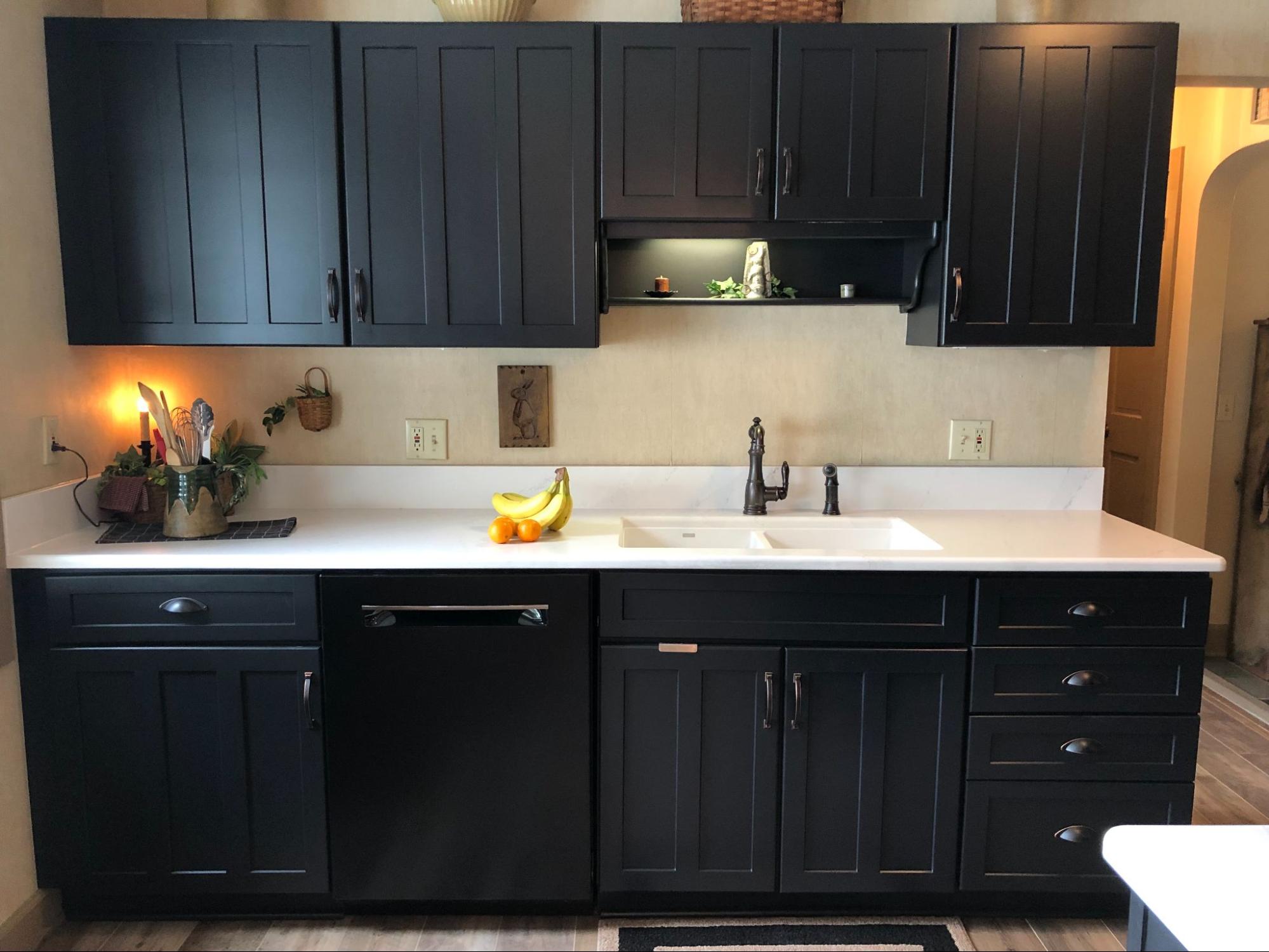
Installing new countertops is a process that requires careful planning and attention to detail. Countertop installation requires coordination between measurement, fabrication and final placement to ensure every countertop fits properly and performs as expected.
Most installation challenges can be avoided when materials are finalized early, cabinets are ready and measurements are accurate. Taking these steps helps ensure your countertops enhance the look and functionality of your kitchen and are installed right the first time.
A well-managed project reduces the risk of costly repairs and supports long-term performance, whether you choose materials like granite, quartz or another countertop material that fits your space.
If you are preparing for a countertop project, visit one of our showrooms in Perrysburg, Delaware, Wixom, Noblesville or Indianapolis to review materials and discuss your timeline with a dedicated design consultant. Clear planning helps ensure your installation is handled with precision from material selection to final placement.
Frequently Asked Questions About Countertop Installation Delays
What is the most common countertop installation mistake?
One of the biggest reasons many fabricators face installation challenges is poor measurements or cabinet adjustments after templating. Because countertop installation requires precise fabrication, even small shifts can lead to uneven surfaces or misaligned seams. Avoiding common countertop installation mistakes starts with ensuring base cabinets are secure and measurements are final before fabrication begins.
Can changing the sink delay countertop installation?
Yes. Changing the sink after cutouts are fabricated can impact scheduling. Cutouts are created using exact specifications so the fixture fits properly around sinks and cooktops. When model numbers change mid-process, it may require adjustments that affect lead times and coordination. Finalizing fixtures early helps ensure your countertops look and function as expected.
Do granite and quartz countertops require sealing after installation?
Countertop materials like granite and marble are natural stone and may require sealing as part of proper care. Sealing helps protect polished stone surfaces from staining over time. Quartz does not require sealing, which is one reason many homeowners choose quartz or granite based on their maintenance preferences. Understanding care requirements upfront helps avoid confusion later.
How long does the installation process take?
Installation day for most residential kitchens is typically completed in one day. However, the full countertop project timeline depends on preparation, fabrication scheduling and material selection. Countertops are often one of the final steps in a kitchen remodel, so coordination matters. When the process is planned carefully, it supports a smooth and efficient installation.