

Your countertops handle more than daily meals; they handle life. But even the most durable surfaces, like granite or quartz, can lose their luster if cleaned the wrong way. Many homeowners use products or habits that actually wear down their surfaces without realizing it.
At Cutting Edge Countertops, we’ve seen firsthand what works and what doesn’t when maintaining kitchen countertops of all types, from natural stone to engineered surfaces. In this guide, we’ll highlight the most common kitchen cleaning mistakes to avoid and share how to keep your countertops looking beautiful for years.
Common Countertop Cleaning Mistakes (and Why They Matter)
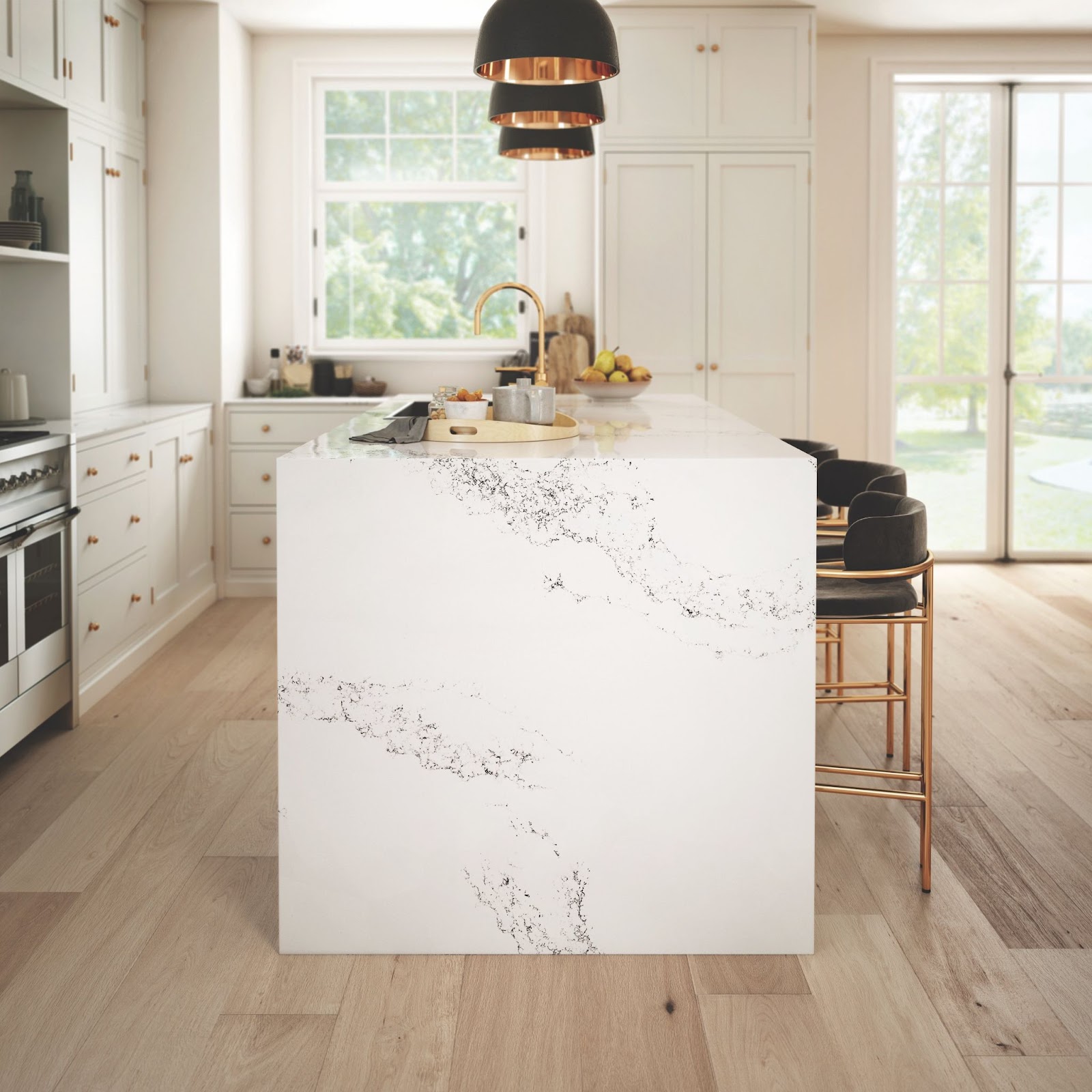
Every countertop material has its own cleaning needs, but a few mistakes are surprisingly universal. These are the most common errors homeowners make, and what to do instead.
Mistake #1: Using Harsh or Acidic Cleaners (Like Vinegar or Bleach)
Many people assume vinegar or all-purpose cleaners are safe for everything. They’re not. On natural stone countertops like granite or marble, these acidic cleaners can eat through the seal, dull the finish, and make the surface more porous over time.
Better approach: Use a pH-neutral cleaner or a mix of warm water and mild dish soap. Wipe with a soft microfiber cloth, and avoid anything that promises “deep cleaning” but lists harsh chemicals or abrasives.
Mistake #2: Scrubbing with Abrasive Pads or Scouring Tools
Another common mistake? Reaching for the rough side of the sponge or a scouring pad when a spill dries up. Abrasives can scratch the surface of quartz and granite countertops, leaving dull spots that catch the light.
Better approach: Always use a soft cloth or microfiber towel. For stuck-on residue, soak it for a few minutes with warm, soapy water and gently lift it with a plastic scraper, no metal tools, ever.
Mistake #3: Letting Spills Sit Too Long (Especially on Natural Stone)
Even with a good seal, natural materials like granite and marble can absorb liquids if spills sit too long. Wine, oil, coffee, and acidic juices are the usual culprits. These can leave stains or even cause etching.
Better approach: Wipe up spills right away using a damp cloth. For deeper cleaning, use a gentle cleaner specifically made for stone countertops. If a spill does stain, sprinkle baking soda, cover it with plastic wrap, and let it sit overnight; it often absorbs the mark.
Mistake #4: Forgetting to Reseal Granite Countertops
Granite countertops are durable, but the seal that protects them wears down over time. Without resealing, the surface becomes more porous, making it easier for spills to seep in and stains to form.
Better approach: Perform a quick water test once a year. Drop some water on your counter, if it beads, you’re good. If it darkens, it’s time to reseal. Sealing helps keep your countertops looking beautiful and resistant to stains.
Mistake #5: Cleaning Around Appliances Without Moving Them
A lot of kitchen cleaning mistakes happen because small areas are forgotten. Dirt, crumbs, and moisture can build up around kitchen appliances like coffee makers or toasters, causing water stains or damage to the surface over time.
Better approach: Move appliances slightly when cleaning. Wipe beneath and around them with a soft cloth and mild dish soap. Make it part of your weekly kitchen cleaning routine; it keeps both your counters and your appliances in better shape.
Mistake #6: Using Too Much Cleaner or Not Wiping Residue Away
It sounds minor, but using too much cleaner or forgetting to rinse can leave a sticky film that attracts dust and dulls your kitchen countertops. This is especially common with spray cleaners that promise shine.
Better approach: Always use a small amount of cleaner; less is more. Wipe the surface with a soft, damp cloth, then follow with a dry microfiber cloth to remove any residue or streaks.
How to Keep Your Countertops Looking Beautiful Every Day

Avoiding mistakes is one part of the process; the other is building a cleaning routine that fits your countertop material. Here’s how to keep your surfaces in top shape day after day.
Know the Material of Your Countertops
The cleaning method depends on what you have. Granite and marble need regular sealing, while quartz only requires a gentle daily wipe. When in doubt, check with your countertop fabricator or use a cleaner specifically made for stone or quartz surfaces.
Stick to a Simple Daily Routine
After cooking, wipe with warm water and mild dish soap using a soft microfiber cloth. Dry thoroughly to prevent water spots. This keeps crumbs, grease, and stains from settling in.
Disinfect Safely When Needed
For disinfecting, skip bleach or alcohol-heavy sprays. Instead, use a stone-safe disinfectant or a solution of warm water and mild soap. If you handle raw meat or eggs, clean them first, then disinfect, and always dry afterward.
Schedule Professional Cleaning or Maintenance
For natural stone countertops, occasional professional cleaning or resealing helps maintain shine and prevent wear. Ask your fabricator or installer for their recommended schedule.
Ready to Keep Your Countertops Looking Their Best?
Your countertops are a long-term investment, and caring for them doesn’t have to be complicated. Avoiding a few common mistakes and following the right daily routine can make all the difference.
If you’re not sure which cleaners or sealers are right for your surface, reach out to a professional fabricator for advice.
FAQs
Can I use vinegar to clean granite countertops?
No. Vinegar is acidic and can break down the protective seal on granite countertops, leading to dullness or staining. Use a pH-neutral cleaner or mild dish soap instead.
How often should I reseal my granite countertops?
Most granite countertops need resealing every 1–3 years, depending on usage and cleaner type. Perform a quick water test annually to check.
What’s the best cleaner for quartz countertops?
A gentle cleaner made for quartz or a mix of warm water and dish soap works best. Avoid bleach, vinegar, or abrasive pads.
Can baking soda remove stains from stone countertops?
Yes. For mild stains, apply baking soda with water, cover with plastic wrap, and leave overnight. It can absorb surface stains without damaging the stone.
What’s the biggest mistake people make when cleaning their countertops?
Using harsh cleaners and leaving spills too long. These habits wear down finishes and make even durable countertops more vulnerable over time.