

Granite countertops are known for their strength, but they are still a natural stone. That means your granite countertop has tiny pores that can absorb liquids if it is not sealed properly. Many homeowners ask whether they really need to seal granite because the surface feels dense and durable.
The truth is simple. Sealing helps protect the stone from darkening, staining, or holding onto spills in a busy kitchen or bathroom. A little care goes a long way in keeping granite looking its best.
How granite sealing works and how to know if your countertops need it
Granite is durable, but it behaves like the natural stone it is. Sealing granite protects the surface from soaking in liquids and helps it stay bright and consistent through everyday use.
Why granite needs to be sealed in the first place
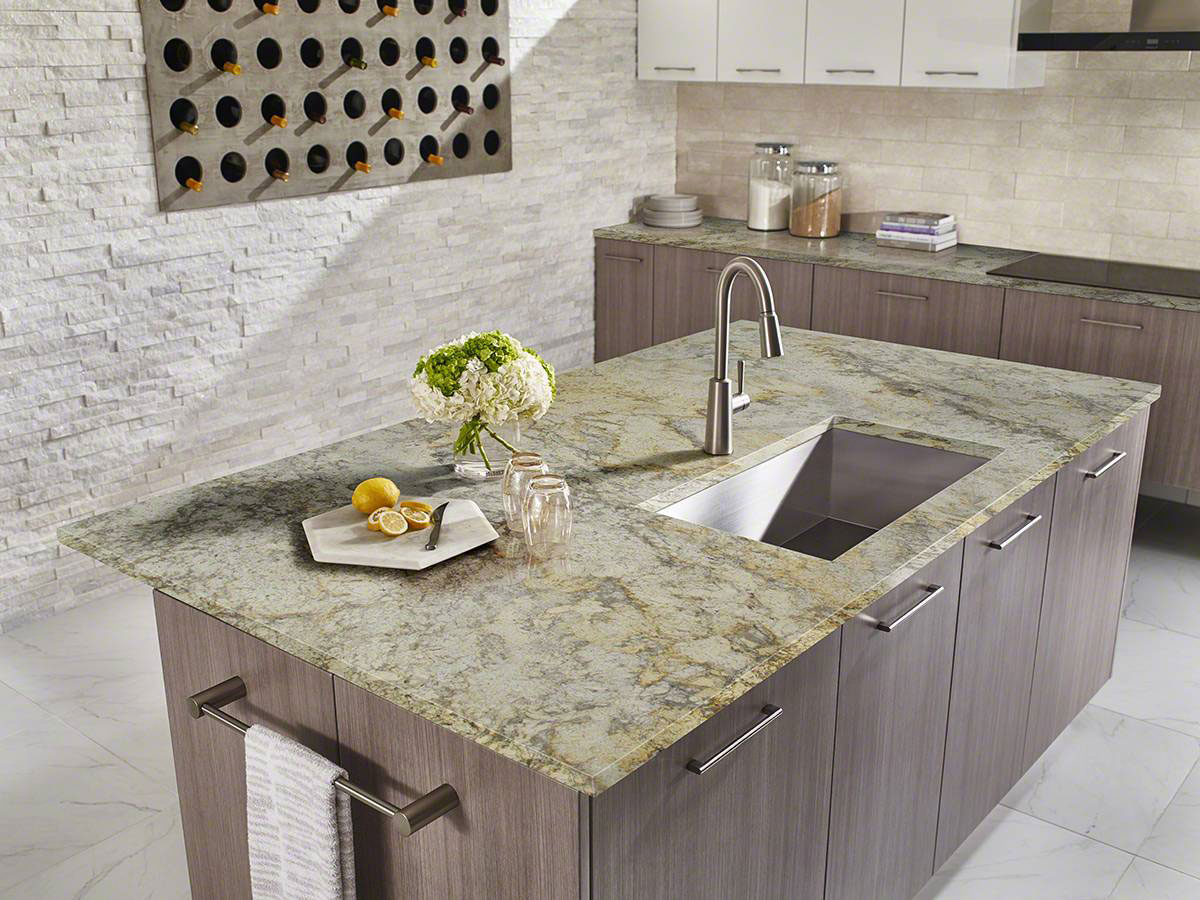
Granite has microscopic pores that can absorb water, oils, and pigments. When the stone is not sealed, spills can soak into the surface and leave dark spots or stains.
A sealer creates a thin, protective layer that slows absorption and helps keep the countertop clean. It does not make granite stain-proof, but it gives the stone the protection it needs in a busy kitchen or bathroom.
How to know if your granite is already sealed properly
A simple water test tells you everything you need to know. Pour a small amount of water on the countertop. If the water beads on the surface, the seal is still doing its job. If the stone darkens or the water absorbs quickly, it is time to reseal. Different granite types absorb at different rates, so results depend on the slab you have.
When is it time to reseal your granite countertops
Most granite countertops need to be resealed every one to two years, though some dense slabs require it less often. Signs that resealing is needed include water soaking in quickly, persistent darkening after spills or stains that no longer wipe away easily. High-use kitchens and lighter granites may need more frequent care to keep the stone protected.
What homeowners should avoid when evaluating their granite
Avoid using lemon juice, vinegar, or harsh cleaners to “test” your granite. These acidic liquids can etch the surface or dull the finish, which creates more problems than it solves. Stick with safe methods like the water test to determine whether your countertops need to be resealed.
Granite Gold® Protection Plan: Extra Coverage Beyond Sealing
For homeowners who want added peace of mind, Cutting Edge Countertops offers the Granite Gold® Protection Plan. This optional plan provides 5- or 10-year coverage that goes beyond standard sealing, protecting your countertops from everyday accidents and normal wear.
The plan covers common issues like stains, etching, surface scratches, chips and joint or grout expansion on qualifying materials, including granite, quartz, marble, quartzite, soapstone and solid surface. Coverage begins at installation, but the plan must be purchased and registered before your countertops are installed.
How to seal granite properly and keep it protected long term
Sealing granite is a simple process once you know what to use and how to apply it. The goal is to help your countertops remain protected from spills and daily wear, while keeping the stone looking clean and consistent.
What type of sealer to use and why it matters
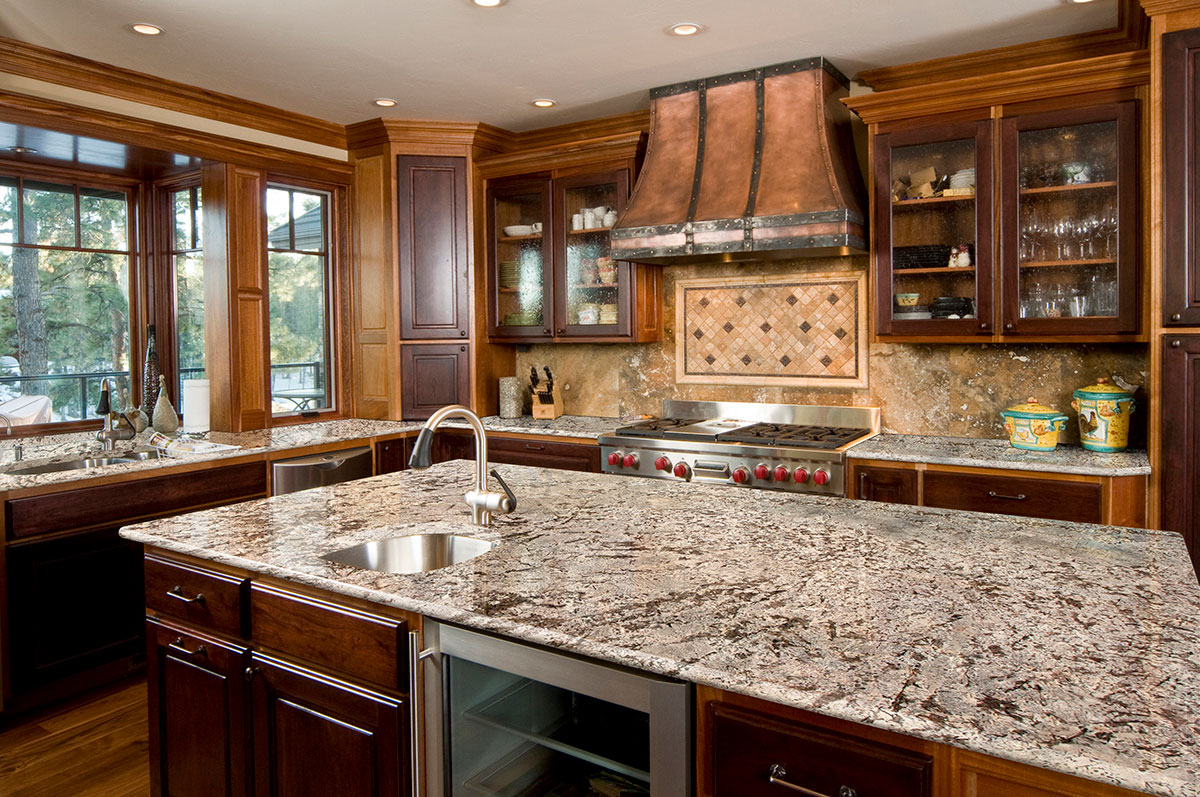
A penetrating sealer designed for natural stone is the right choice for granite. These sealers soak into the surface instead of sitting on top, which helps block liquids from absorbing into the stone. They do not change the appearance of the slab or create a film.
Everyday care that keeps granite looking its best
A few small habits make a big difference in how well granite holds up over time:
- Wipe spills immediately to prevent staining
- Use gentle cleaners formulated for natural stone
- Avoid acidic or abrasive products
- Perform a simple water test every 6 to 12 months to check if resealing is needed
These steps help maintain the protective layer and extend the life and beauty of your granite countertop.
Ready to keep your granite countertops protected
If you want your granite countertops to stay beautiful for years, the right care makes all the difference. Visit a Cutting Edge Countertops showroom to speak with experts who can guide you through sealing granite counters, maintaining stone surfaces and choosing the right countertop material for your home.
Explore the Edge Collection, compare granite and quartz up close and get support from a team that helps homeowners keep their countertops looking their best long term.
FAQs about sealing granite countertops
How often do granite countertops need to be sealed
Many granite counters need to be sealed every 12 to 24 months. Some types of stone are denser and may require sealing less often, while lighter granite may need sealinga little more often. A simple test with a few drops of water on the surface helps determine if your countertop needs resealing.
How do I know it is time to reseal my granite?
If water on the stone absorbs quickly or darkens the surface instead of beading, it is time to reseal your granite countertops. This means the protective layer has worn down and liquids can soak into the stone. The water test is easy to apply and gives clear results.
Does all granite need to be resealed every year?
No. Granite is a natural stone, and different types of stone absorb liquids at different rates. Many granite slabs only need sealing every 1 to 2 years. Counters installed in busy kitchens or lighter granite colors may need to be resealed more often.
What happens if I do not seal my granite countertop
If granite is left unsealed, spills can soak into the stone, causing dark spots or stains that become hard to remove. The countertop material stays porous without a sealant, which makes your countertop more vulnerable to everyday kitchen use.
Can stains soak into unsealed granite?
Yes. When granite needs sealing, liquids can penetrate the natural stone surface and leave stains. Resealing creates a protective layer that prevents spills from soaking in, helping keep granite looking clean and consistent.
Is sealing granite easy to do myself
Yes. Sealing granite counters is easy to apply at home. Clean granite with mild soap and water, dry with a clean cloth and apply the sealant evenly. Allow proper drying time, then wipe away excess. Most homeowners find the process straightforward.
Does quartz require sealing like granite?
Quartz countertops do not require sealing because they are not porous. Unlike granite, quartz does not absorb liquids. This difference helps homeowners understand why sealing granite countertops is crucial, while quartz doesn’t require sealing at all.