

Yes, granite countertops need sealing. Even though granite is one of the strongest natural stones, it’s also porous, meaning it can absorb liquids, oils, and stains if left unprotected. That’s why sealing is essential to keep your countertops looking their best.
At Cutting Edge Countertops, we work with granite slabs every day, from fabrication to long-term care, and we’ve seen the difference proper sealing makes. In this guide, we’ll explain how sealing protects your stone, how to test it, and when it’s time to reseal.
Why Sealing Granite Countertops Matters
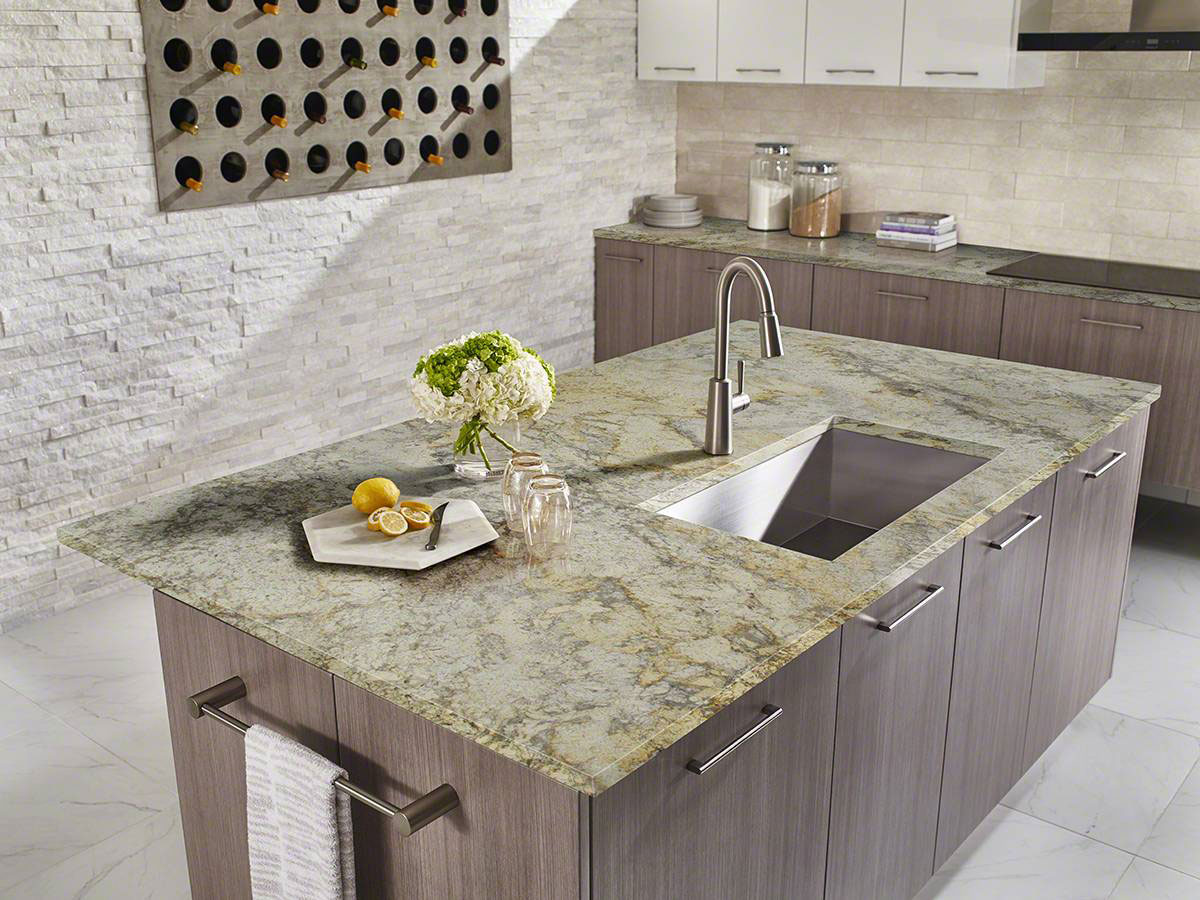
Sealing granite isn’t just a recommendation; it’s part of keeping your countertops performing and looking their best. Understanding why granite needs sealing helps homeowners protect one of their most beautiful and durable investments.
Granite Is Naturally Porous — And That’s the Key
Granite is a natural stone, which means it has tiny pores that can absorb liquids and stains over time. While it’s known for its strength, it isn’t completely stain-proof. Without protection, spills can seep into the surface and leave permanent marks. Applying a high-quality sealer fills those microscopic pores, creating a protective barrier that repels water, oil, and everyday messes. This step keeps your granite countertops vibrant and resistant to long-term wear.
What Happens If You Don’t Seal Granite Properly
An unsealed or worn-out sealant leaves granite vulnerable. Over time, moisture, oils, and acidic liquids can penetrate the surface, leading to dark spots, dull patches, or etched areas that no cleaner can fix. Regularly sealing your granite countertops keeps them glossy, smooth, and protected from daily kitchen activity, whether it’s a morning coffee spill or a splash of cooking oil near the stove. Consistent care ensures your granite stays looking new far longer.
How Sealants Work to Protect the Surface
A penetrating sealer works below the surface, soaking into the granite slab instead of sitting on top. Once cured, it forms a nearly invisible layer that blocks liquids and stains without changing the natural look of the stone. The best sealants designed for natural stone last longer and make cleanup easier; simply wipe with a soft cloth and mild cleaner. This invisible protection helps maintain the stone’s beauty and gives you peace of mind with every use.
How to Know If Your Granite Countertops Need Sealing

Even the strongest granite surfaces need a little maintenance over time. Knowing when to reseal isn’t complicated; it just takes a quick test, a few simple observations, and a consistent routine.
The Simple Water Test (Takes Just a Few Minutes)
The easiest way to tell if your granite countertops need sealing is the water test. Here’s how to do it:
- Place a few drops of water on the surface.
- Wait 10–15 minutes.
- If the water beads, your seal is still holding strong.
- If it absorbs into the granite or leaves a dark spot, it’s time to reseal.
This quick, simple test removes all guesswork and helps you stay ahead of potential staining or water damage before it starts.
How Often to Reseal Granite Countertops
Most granite countertops need to be resealed every one to three years, depending on the stone type/grade, sealant, usage, and even the cleaners used.
- Lighter granite colors are typically more porous and may need sealing twice a year.
- Darker granite slabs are denser and often go longer between applications.
Keeping a regular maintenance schedule ensures your granite tops stay stain-resistant, smooth, and easy to clean, especially in high-use kitchens.
Signs It’s Time to Reseal Your Granite
Even without a test, your granite often tells you when it needs attention. You may notice:
- Water no longer beads on the surface.
- The countertop looks dull or darkens after a spill.
- Oils or liquids leave faint marks that don’t wipe off easily.
These are signs your granite needs sealing again. Acting early prevents stains from settling in and keeps your countertops protected for the long haul.
Simple Tips to Keep Granite Countertops Looking Great Between Sealing

Proper sealing goes a long way, but everyday habits matter just as much. Simple care helps protect the surface and extend the life of your granite’s finish between resealing.
Clean Gently, Not Aggressively
Daily cleaning doesn’t require harsh chemicals or scrubbing. Use mild dish soap mixed with warm water and wipe with a soft sponge or cloth. Avoid acidic cleaners, vinegar, or bleach — they can slowly break down sealants and dull the stone’s natural shine. A gentle routine is the easiest way to keep granite surfaces spotless and smooth.
Wipe Spills Quickly
Even well-sealed granite can be vulnerable if spills sit too long. Liquids like wine, oil, or juice can seep into the stone and leave a stain. The best approach is simple: wipe spills immediately with a soft cloth or paper towel. Quick action keeps your kitchen counters protected and prevents deep discoloration from forming over time.
Use the Right Products for Granite
Not all cleaning products are safe for natural stone. Choose a cleaner specifically designed for granite countertops or labeled “stone-safe.” These gentle formulas maintain your sealant’s effectiveness, protect against water marks, and keep your granite resistant to stains. Using the right products regularly helps your granite remain as beautiful as the day it was installed.
Ready to Keep Your Granite Protected?
Your granite countertops are an investment, and sealing them is the simplest way to keep them beautiful and long-lasting.
Visit a local Cutting Edge Countertops showroom near you to learn more about granite care, sealing recommendations, and our exclusive Edge Collection™ of high-quality stone surfaces.
Our experts can help determine when your countertops need sealing and recommend the best sealants designed for natural stone.
Schedule a Countertop Care Consultation Today.
FAQs
How often should I seal my granite countertops?
Most granite countertops need resealing every one to three years, depending on the stone type and daily use. Lighter, more porous granite slabs may need sealing twice a year to stay protected against stains, spills, and wear. Regular maintenance helps keep your countertops looking polished and durable for years to come.
What happens if I don’t seal my granite?
When granite isn’t sealed, liquids and oils can seep into the surface, causing stains, dull spots, or discoloration. Over time, this can permanently affect the stone’s shine and texture. Sealing granite countertops prevents absorption and protects your investment from everyday kitchen messes like coffee, wine, and cooking oils.
Can I use any sealer on granite?
It’s important to use a penetrating sealer designed specifically for natural stone. General-purpose sealers or surface coatings can leave residue or fail to protect deep pores. A quality stone sealer soaks into the granite, creating long-lasting protection without altering the stone’s natural color or finish.
Do quartz countertops need sealing?
No. Quartz countertops are non-porous, meaning they don’t absorb water or stains the way natural stones like granite or marble do. Because quartz is engineered with resins that block moisture, it remains low maintenance and stain-resistant, eliminating the need for sealing altogether.