

How often should you seal granite countertops? What happens if you don’t? How can you tell when it’s time to reseal? And does the type of granite or the room it’s in make a difference?
At Cutting Edge Countertops, we know granite is a porous material that requires proper care to prevent stains and damage. In this guide, we’ll answer the key questions every homeowner should ask about sealing granite counters, so your stone looks its best for years.
How Often Should You Seal Granite Countertops?
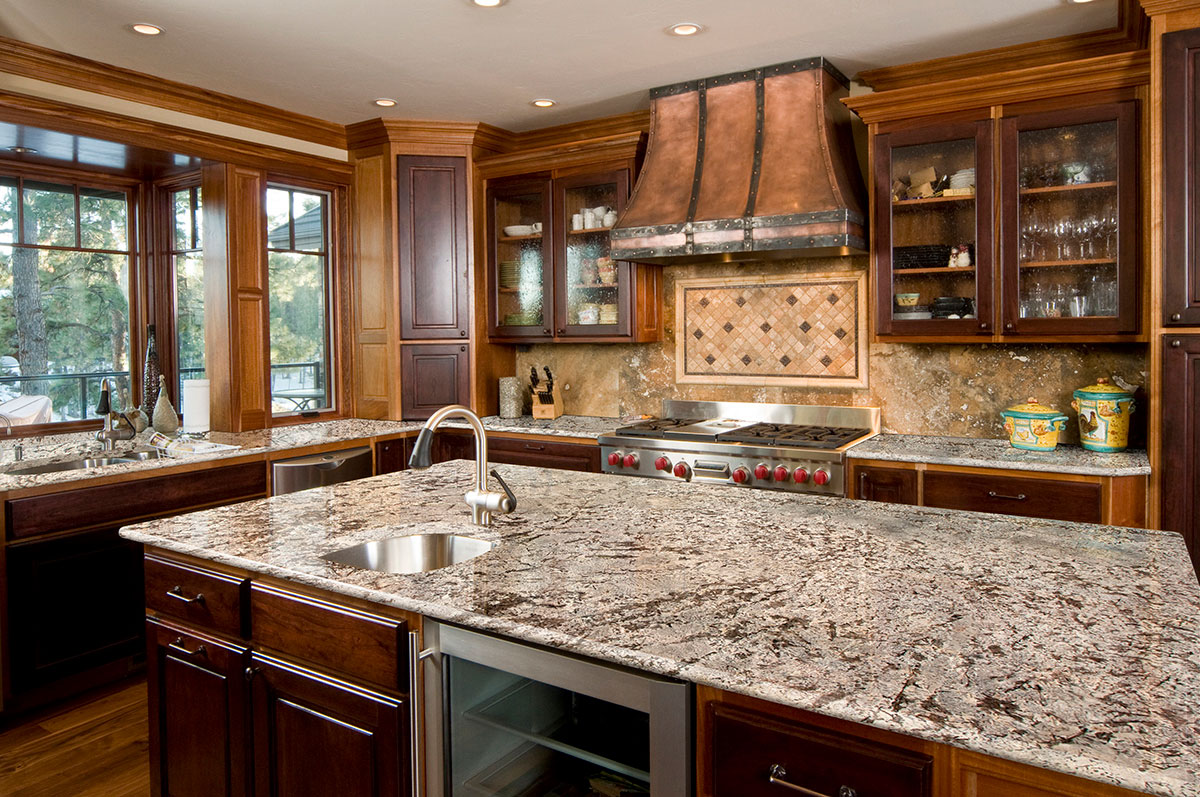
Granite is a porous material, which means it can absorb liquids if not sealed. Sealing schedules aren’t one-size-fits-all; they depend on the type of granite, where the countertop is located, and how often it’s used. Some granite countertops need sealing every year, while others only require it every few years.
(i) Why Does Granite’s Porosity Affect Sealing?
Granite is a natural stone. Unlike engineered surfaces, it has tiny pores that absorb water, oil, and other liquids. The more porous the stone, the faster liquids seep in. That’s why some granite countertops need to be resealed more often than others.
If you’re still comparing your options, our Countertops 101 guide explains how granite stacks up against quartz, marble, and more.
(ii) How Do You Know When It’s Time to Reseal Granite?
There’s a simple test any homeowner can do: sprinkle a few drops of water on the stone. If the water beads on the surface, your countertop is still protected. If it darkens or soaks in within minutes, it’s time to reseal.
(iii) What Happens If You Don’t Seal Granite Countertops?
Skip sealing, and your granite countertop may start to absorb spills. Oils, wine, or even acidic liquids like lemon juice can leave stains that are nearly impossible to remove. Sealing is a simple step that prevents long-term damage.
For deeper insights, see our article on why professional granite installation matters and how quality work impacts your stone’s longevity.
(iv) Do Lighter Granite Colors Need to Be Sealed More Often?
Light-colored granite countertops are usually more porous than darker slabs, which makes them more prone to absorbing stains. To keep them looking their best, you’ll need to be more involved with their care by being especially careful with everyday spills. Wiping up liquids quickly and avoiding prolonged contact with oils, wine, or acidic substances will go a long way in protecting lighter stone.
If you’re also considering alternatives, compare quartz vs granite to see which fits your lifestyle best.
(v) Does Location Matter—Kitchen vs. Bathroom?
It does. Bathroom countertops face water splashes daily, while kitchen granite countertops deal with oils, sauces, and hot pans. High-traffic areas often require resealing sooner than countertops that see lighter use.
(vi) How Does Sealant Type Affect Frequency?
Not all sealants are created equal. Some high-performance sealers can protect for years, while lighter formulas may need reapplication annually. Ask your fabricator what type of sealant was used when your granite countertops were installed. Speak with our team at Cutting Edge Countertops if you’re looking for the best, most trusted sealants in the market.
(vii) Do New Granite Countertops Need to Be Sealed Right Away?
Yes. Even new granite countertops need a protective sealant before daily use. Most fabricators will seal before installation, but it’s always smart to confirm and ask when you’ll need your first reseal.
For more renovation inspiration, check out our ideas for remodeling a kitchen or bathroom.
Why Sealing Granite Countertops Matters

Sealing granite countertops isn’t just another maintenance step; it’s what keeps your natural stone looking and performing its best. Here’s why it matters:
- Protects against stains and spills: Unsealed granite can absorb oils, wine, coffee, and other liquids. Applying a proper seal creates a protective barrier that helps prevent stains from soaking into the porous stone
- Keeps your countertop looking its best: Sealing preserves the natural color, depth, and shine of granite. With regular resealing, you can prevent dull spots, discoloration, and uneven wear that come from everyday use
- Adds everyday durability: Even though granite is strong, it can still be affected by acidic substances like lemon juice or vinegar. A seal helps reduce the risk of etching and absorption, extending the life of your surface
- Simple maintenance, long-term investment: Sealing granite is straightforward—wipe it clean, apply the sealant, and let it cure. By resealing every so often, you’ll keep your countertops low-maintenance while protecting your investment in natural stone
Sealing your granite countertops is one of the simplest ways to keep them beautiful, durable, and easier to maintain for years.
Want a broader perspective? See our post on top reasons to install granite bathroom countertops and why homeowners continue to love natural stone surfaces.
Ready to Keep Your Granite Looking Its Best?
At Cutting Edge Countertops, we help homeowners care for their natural stone countertops so they stay beautiful and durable for years to come.
- Ask a Project Coordinator which sealant is best for your granite.
- Visit a showroom for personalized guidance on caring for stone surfaces
- Get expert-backed maintenance tips to keep your countertops stain-free and looking like new.
Your granite is an investment; regular sealing protects that investment and keeps your home looking its best.